Private or trade sale
Describe known faults and arrange appropriate inspection. Ask the actual buyer what they accept, what their price assumes and who pays for transport. “Spares or repair” is not a substitute for an accurate description.
UK DAMAGED-CAR SELLING PREPARATION
A dent, a non-runner or an insurance write-off needs more than a headline price. Put the condition, deductions and next steps in one place before you decide.
Build a private condition brief ↗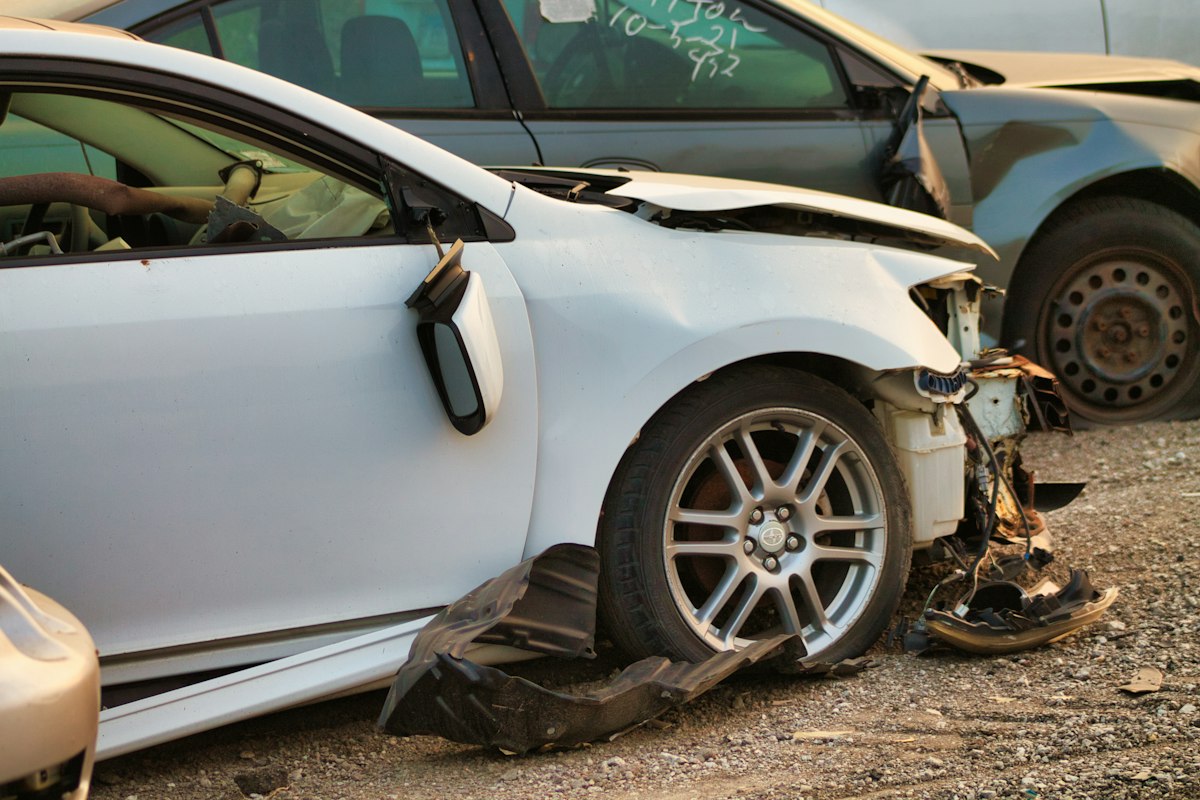
CONDITION FIRST. ROUTE SECOND.
Separate visible damage from diagnosed faults and missing information. A car that starts is not necessarily safe to drive; a category label is not a current inspection.
Describe known faults and arrange appropriate inspection. Ask the actual buyer what they accept, what their price assumes and who pays for transport. “Spares or repair” is not a substitute for an accurate description.
Confirm who owns the vehicle and what the insurer has decided before advertising. GOV.UK distinguishes repairable category S and N vehicles from category A and B vehicles, which cannot return as repaired road cars.
Use an authorised treatment facility when scrapping. Confirm its identity and the paperwork for your circumstances. Do not assume an unknown collection contact is authorised or that every damaged vehicle must be scrapped.
Official starting points: insurance write-off categories · scrapping a vehicle.
THE AMOUNT AFTER AGREED COSTS
Enter two offers received elsewhere and their confirmed deductions. Leave unknown costs blank. The result is arithmetic only, not a valuation, buyer recommendation or promise of proceeds.
FICTIONAL ARITHMETIC
Invented numbers, not a vehicle price or typical fee. Deductions might combine agreed transport and administration charges; check the written terms rather than assuming either applies.
Net = your offer minus your deductions. Use the same tax basis. Do not double-count fees; finance settlement, tax liability and repair spending are outside this calculation. A higher net figure alone does not establish safer terms.
LESS GUESSWORK, BETTER QUESTIONS
Record where the damage is, whether the car starts and whether it rolls or steers. If you do not know, say so. Do not test a damaged car just to complete a form.
Keep inspection reports, repair invoices and insurer correspondence separate from your own observations. A warning light does not prove a particular component has failed. An old MOT pass cannot establish its condition after an accident.
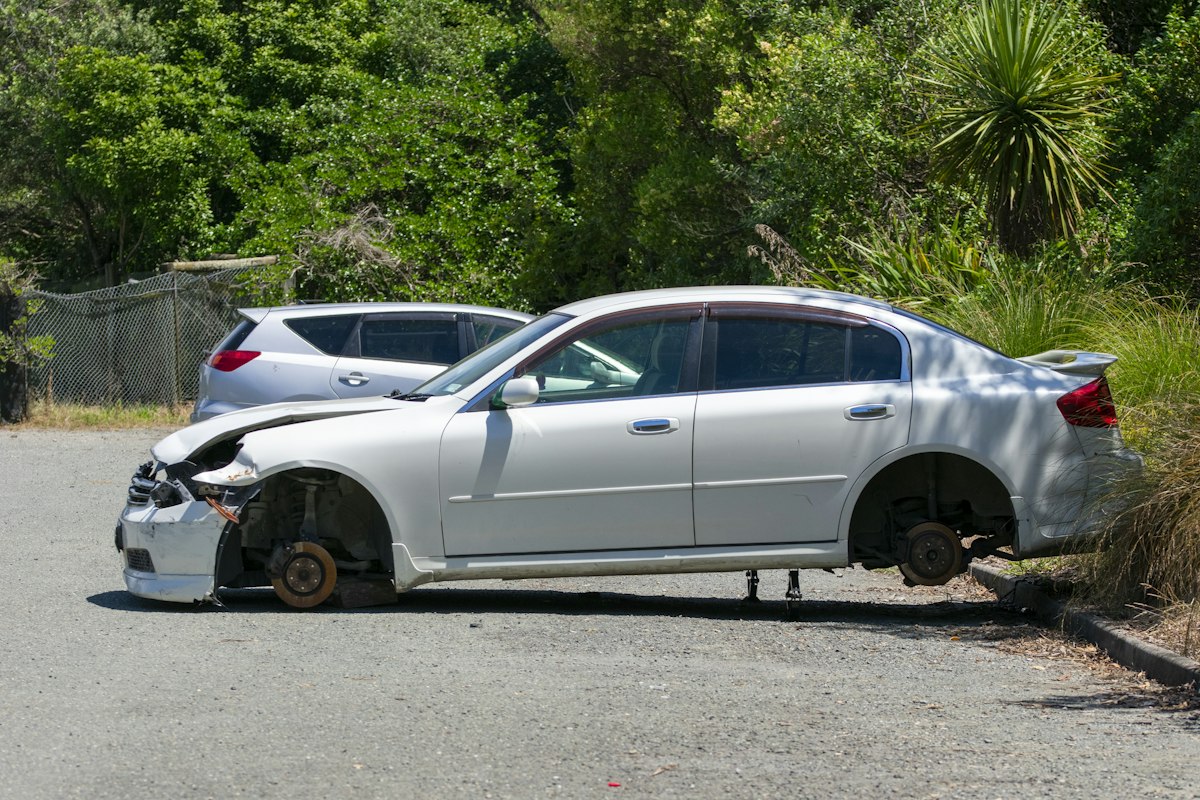
For non-runners, tell a prospective transporter about access restrictions and missing wheels or keys. Ask them to assess loading arrangements. Do not improvise towing, energise damaged batteries or attempt repairs on this page’s instructions.
LOCAL ONLY / NO CONTACT DETAILS NEEDED
Use broad vehicle details, not a registration, VIN or personal information. No uploads are requested. These tools use page memory; reload clears your entries unless you download the TXT.
Tick means reviewed, not mechanically certified. Unticked means still to check.
YOUR WORKING NOTE
Contains tool entries, checklist and comparison, not enquiry fields. Review it before sharing. This is not an inspection certificate.
WHEN YOU HAVE AN ACTUAL BUYER
Agree the final amount, inspection conditions and payment timing in writing before releasing keys or documents. Check payment through your own bank, not a screenshot sent by someone else. Resolve outstanding finance directly with the lender.
Tell DVLA when you no longer own the vehicle. Its guidance explains keeper changes, cancellation of vehicle tax and what to do without a log book. Insurance write-offs and scrapping have their own instructions; follow the correct route.
Read the official DVLA sale instructions ↗Official guidance reviewed 6 November 2026. This website cannot notify DVLA or settle finance for you.
BEFORE AN INSPECTION
A provisional amount can change when its assumptions change. Ask the buyer to list those assumptions before arranging a visit, especially if the car has not been started or assessed since the damage.
Confirm whether missing parts, keys and accessories match the description used for the offer. Ask whether transport is included, separately invoiced or deducted. Record any charge payable if an inspection happens but no sale follows; silence is not confirmation that the charge is zero.
Identify the contracting buyer and who has authority to change the figure. Ask what evidence would trigger a revision, whether you can decline and how the car remains in your possession if you do. Do not accept pressure to decide before the terms are clear.
Confirm payment timing and the handover sequence. Keep a copy of the agreed description and any revised amount. If a name, transport arrangement or payment instruction changes unexpectedly, pause and verify it directly with the organisation you intended to deal with.
STRAIGHT ANSWERS
We cannot calculate that. Specification, history, damage and inspection findings all matter. Our worksheet only subtracts your entered deductions from your entered offers; it has no pricing feed.
No. This is an enquiry and preparation website, not an operational buyer network. Sending an enquiry does not arrange transport, a sale or a callback from a buyer.
No. GOV.UK describes it as non-structural damage. That does not mean harmless or currently roadworthy. Obtain appropriate assessment rather than relying on a category alone.
No. Do not enter bank details or upload identity, medical or insurance documents. Keep evidence privately and share only what is necessary with a verified organisation through an appropriate channel.
GO DEEPER